
Tokyo changes character from one station to the next. A morning among Asakusa’s temple buildings can lead to an afternoon in a department store, a garden walk or an evening overlooking the skyline. The city’s scale is part of its appeal: each neighbourhood offers enough detail to reward time spent exploring beyond its best-known landmark.
For a first visit, plan around groups of nearby places rather than a checklist spread across the entire metropolis. Walking works well within individual districts, while trains and subways connect them. Leave time for station navigation, meals and unexpected discoveries, particularly on your first few days.
What Makes Tokyo Worth Visiting?
Tokyo’s neighbourhoods offer different starting points for understanding the city. Shinjuku combines a major transport interchange with department stores, restaurants and streets that remain active into the evening. Shibuya brings together its famous crossing, shopping and entertainment, while nearby Harajuku and Omotesando offer contrasting retail streets and architecture.
In eastern Tokyo, Asakusa centres on Senso-ji Temple and the streets leading towards the Sumida River. Ueno adds museums and parkland, while Ginza offers department stores, galleries and carefully designed shopfronts. These areas are connected by rail, but each deserves time on foot.
Religious sites and gardens provide a different pace. Meiji Jingu is a Shinto shrine established in 1920, approached through wooded grounds near Harajuku. Senso-ji is a Buddhist temple with a history traditionally traced to the seventh century. Shinjuku Gyoen combines different garden landscapes within a spacious setting near one of the city’s busiest districts.
Tokyo also offers a broad range of museums and contemporary experiences. The Tokyo National Museum in Ueno is a useful choice for Japanese art and historical objects. teamLab Planets in Toyosu offers an immersive encounter with digital artworks, while observation decks reveal how far the city extends beyond the streets below.
For longer stays, excursions such as Kamakura, Nikko or Hakone can add coastal, historical or mountain scenery. Treat each as a separate day of travel, checking the complete route and local connections before deciding whether it fits your itinerary.
Top Places and Experiences
Senso-ji Temple and Asakusa
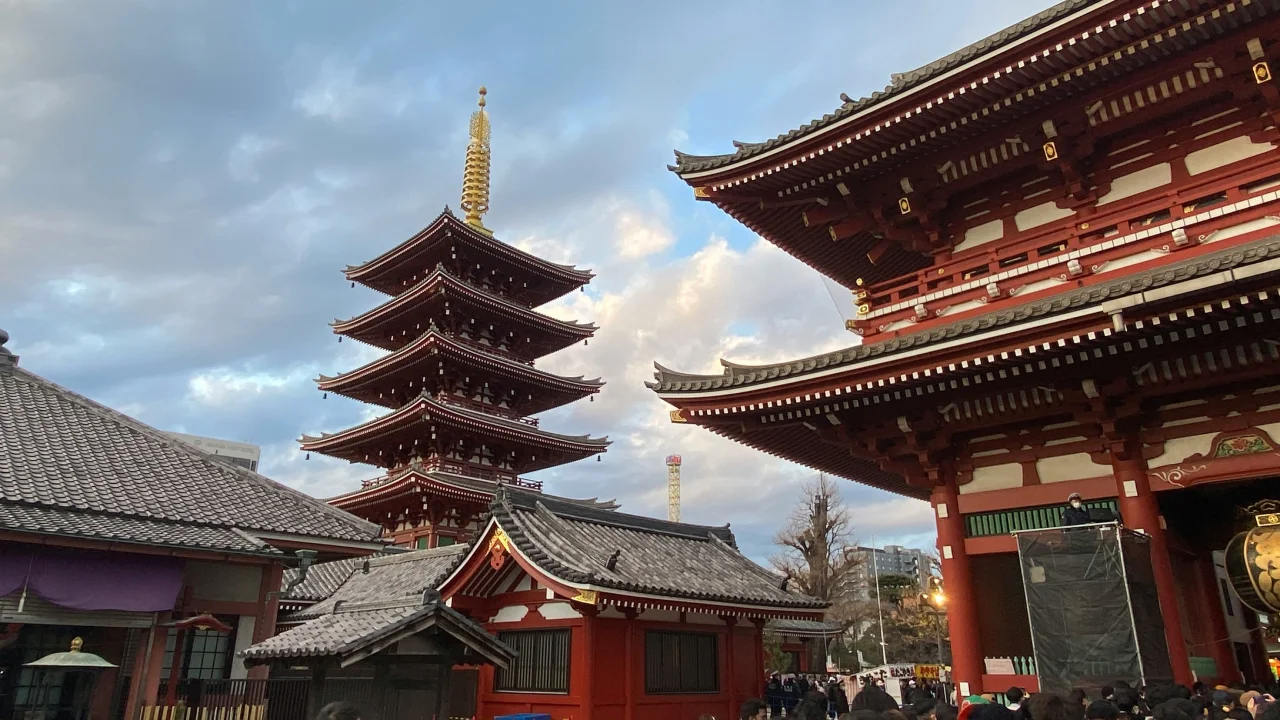
Senso-ji is Tokyo’s oldest Buddhist temple, with its founding traditionally dated to 628. The approach through Kaminarimon Gate and along Nakamise-dori leads towards the main hall, with the five-storey pagoda forming another prominent part of the temple grounds.
Visiting the grounds and entering particular buildings can involve different opening arrangements. Consult the official Senso-ji website when planning your visit, especially if you want to see the main hall rather than only the outdoor spaces.
Nakamise-dori is also a shopping street, so an early visit to the temple may take place before all the shops have opened. Choose your timing according to whether you prioritise a quieter approach or browsing the stalls and surrounding businesses.
Allow time for Asakusa beyond the main temple route. Explore nearby streets, continue towards the Sumida River or combine the area with another eastern Tokyo district. Asakusa is served by several rail operators, whose stations and entrances are not all in the same place.
Meiji Jingu and Harajuku
Meiji Jingu is dedicated to Emperor Meiji and Empress Shoken. Its wooded approaches, large torii gates and gravel paths create a quieter setting beside the commercial streets around Harajuku.
Allow time for the walk from the entrance to the main shrine buildings. The shrine grounds, Inner Garden and museum have different visiting arrangements, so check the official Meiji Jingu website before deciding which parts to include.
Harajuku offers a contrasting experience nearby. Takeshita Street is associated with youth fashion and small shops, while Omotesando provides a broader avenue with distinctive retail architecture and side streets to explore.
JR Harajuku Station and Tokyo Metro’s Meiji-jingumae Station are useful access points. Yoyogi Park is another nearby option, but it is a separate destination; use public entrances and check your route rather than assuming every green space connects directly.
Shibuya Crossing and Shibuya Sky
Shibuya Crossing is a working pedestrian intersection near Shibuya Station’s Hachiko exit. You can experience it as part of a neighbourhood walk, allowing other pedestrians to move freely rather than stopping in the roadway for photographs.
The surrounding district offers shopping, restaurants and entertainment across several streets and large buildings. Set aside time to explore beyond the crossing, and check which station exit is most convenient for your next destination.
Shibuya Sky, in Shibuya Scramble Square, offers an elevated perspective over the neighbourhood and wider city. Entry uses timed tickets; consult the official Shibuya Sky website for availability and visitor requirements.
If the outdoor rooftop is important to you, check operating conditions before visiting. Weather can affect access, and a booking does not guarantee clear visibility. Review the rules for belongings and photography equipment before arrival.
Tokyo Skytree and Sumida
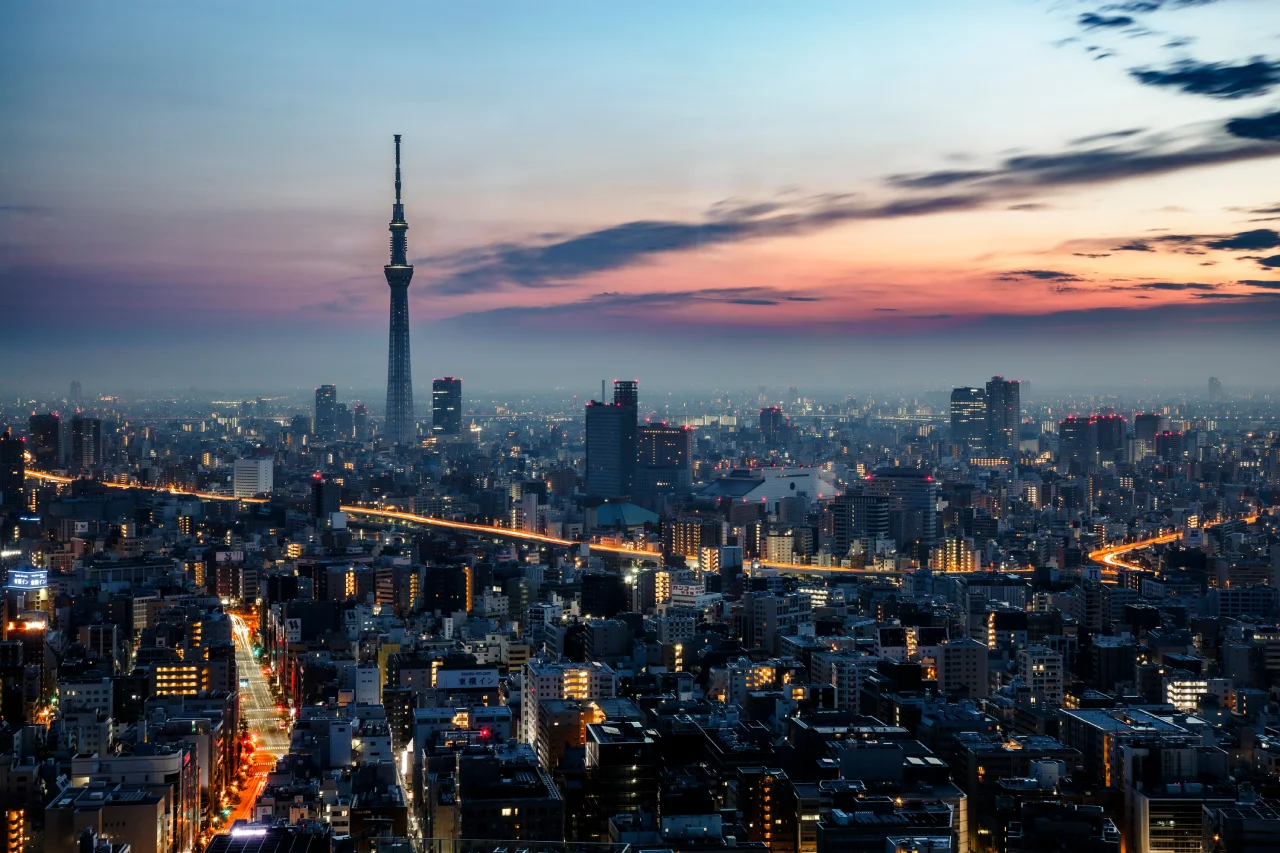
Tokyo Skytree is a 634-metre broadcasting tower in Sumida. Its observation areas include the Tembo Deck at 350 metres and Tembo Galleria at 450 metres, offering different perspectives over the surrounding city.
On clear days, distant views may include Mount Fuji, but visibility depends on the weather and atmospheric conditions. Choose a visit for the wider skyline experience rather than relying on seeing one distant landmark.
Tickets are required for the observation decks. Advance purchase can help secure a preferred visit, while same-day tickets may be available subject to capacity. Check the official Tokyo Skytree website for admission options and current operating information.
Tokyo Solamachi, around the tower’s base, includes shopping, dining and Sumida Aquarium. These can extend your visit, but individual attractions have their own admission arrangements. Check the most convenient station and entrance for the part of the complex you intend to visit.
teamLab Planets and Toyosu
teamLab Planets combines digital artworks with spaces that visitors move through physically. Parts of the experience involve walking barefoot through water, while mirrored surfaces and changing light create different visual environments.
Entry is organised by timed ticket. Check the official teamLab Planets website for availability, opening dates and scheduled closures rather than assuming it operates every day.
Shin-Toyosu Station on the Yurikamome line is the closest rail access point. Toyosu Station provides another option, including connections with the Tokyo Metro Yurakucho Line, but involves a longer walk.
Review clothing guidance, water-area information and accessibility arrangements before booking. Visitors with mobility needs or sensory sensitivities should consult the venue’s detailed guidance to understand which parts of the experience suit them.
Toyosu can also form part of a wider waterfront outing. Plan the connections between your chosen stops carefully, as stations, market areas and waterfront attractions are spread out.
Shinjuku Gyoen National Garden
Shinjuku Gyoen offers a change of pace from nearby shopping and transport districts. Its landscapes include Japanese-style gardens, formal planting and broad lawns, with different seasonal features throughout the year.
Choose an entrance according to your arrival station and the area you want to explore. Shinjuku-gyoemmae and Sendagaya are useful access points for different gates, rather than interchangeable destinations.
Consult the official Shinjuku Gyoen visitor information for opening days, admission and seasonal arrangements. Weekly closures, public holidays and special opening periods can affect the calendar.
Follow the garden’s rules on alcohol, recreational equipment and permitted activities. During popular seasonal periods, check any advance reservation requirements before travelling to the gate.
Getting There and Getting Around
Tokyo is served by Haneda Airport (HND) and Narita International Airport (NRT). Choose your arrival route according to your accommodation, luggage and landing time rather than assuming one service is best for every visitor.
Haneda has rail connections through Tokyo Monorail and Keikyu Railway, alongside airport bus services. Tokyo Monorail connects with Hamamatsucho, while Keikyu services provide routes towards Shinagawa and other destinations. Consult Haneda Airport’s official access information for your terminal and onward journey.
Narita has connections including JR’s Narita Express, Keisei services and airport buses. The Keisei Skyliner serves Nippori and Keisei-Ueno; it does not run directly to Asakusa. Check Narita Airport’s official transport information and compare the complete route to your accommodation.
Within Tokyo, several operators share the rail network. JR East runs the Yamanote Line, which connects major stations including Tokyo, Shinjuku, Shibuya and Ueno. Tokyo Metro and Toei operate the subway network, while private railways provide additional urban and regional connections.
Suica and PASMO IC cards can simplify eligible local journeys by allowing you to tap through gates or use readers instead of buying an individual ticket each time. They are payment tools, not unlimited travel passes. Certain services, including limited express trains and reserved seating, require additional or separate tickets.
Physical and mobile options have different purchase and device requirements. Check the official JR East Suica information or PASMO guidance before relying on a particular card or smartphone setup. Keep your card charged and follow the operator’s instructions when transferring between services.
If considering a transport pass, compare its coverage with your actual itinerary. The Tokyo Subway Ticket covers Tokyo Metro and Toei Subway services, but not JR lines. A pass limited to one group of operators may not suit every journey.
Walking works well within neighbourhoods and between some adjacent districts. Use a route planner to decide when a train connection is worthwhile, allowing time for large stations and the walk from the exit to your destination. Check last-train times before an evening out, as rail services do not operate continuously overnight.
Where to Stay
Shinjuku
Shinjuku suits travellers who want extensive rail connections, dining choices and evening activity near their accommodation. Its transport links can also be useful for excursions outside central Tokyo.
The station complex is large, and hotels described as being “near Shinjuku Station” can involve very different walks. Check the relevant exit, luggage access and the route to the lines you expect to use. Compare recent reviews for noise if your room faces an active nightlife street.
Shibuya
Shibuya can suit visitors interested in shopping, restaurants and exploring western Tokyo districts such as Harajuku and Ebisu. JR, subway and private railway services provide several onward options.
Choose the exact hotel location carefully. Busy roads, slopes and station construction or access changes can influence the walk with luggage. Staying close to the crossing is a different experience from choosing a quieter street farther away.
Asakusa and Ueno
Asakusa and Ueno offer different bases in eastern Tokyo. Asakusa places you close to Senso-ji and the Sumida River, while Ueno offers parkland, museums and a major rail interchange.
Ueno is convenient for the Keisei Skyliner through Keisei-Ueno Station. For Asakusa, compare other airport services or connections rather than assuming the Skyliner stops there.
Choose between the two according to your sightseeing priorities and preferred station. Both can work for a first visit, but regular journeys to western Tokyo should be included in your planning.
Ginza and Marunouchi
Ginza offers department stores, restaurants and galleries, while Marunouchi is closely associated with Tokyo Station and its surrounding business district. They are neighbouring central areas, but their station access and atmosphere differ.
Marunouchi can be practical for onward travel from Tokyo Station. Ginza may suit visitors who prioritise shopping and subway connections. Check the exact walking route to the station you need rather than assuming every property provides direct access to JR or Shinkansen services.
Practical Tips for Your Visit
- Group sightseeing by neighbourhood. Explore nearby places together instead of repeatedly crossing the city.
- Check ticket coverage. IC cards and transport passes have different functions, and some trains require additional reservations or tickets.
- Plan the last journey of the evening. Check the final connection for your complete route, including any transfers.
- Book priority attractions ahead. Review admission times, closure dates and weather-related restrictions through official websites.
- Carry a small amount of cash. Some smaller businesses do not accept every payment method. Check your bank’s overseas withdrawal conditions and the ATM’s supported cards.
- Keep a small bag for rubbish. Public bins can be difficult to find; use available facilities appropriately and avoid leaving waste behind.
- Stand still on escalators. Hold the handrail and follow station signs and staff instructions. Do not treat one side as a designated walking lane.
- Check accessibility before travelling. Large stations may have several entrances, but lifts and step-free routes are not necessarily available at every exit.