
London brings together royal landmarks, major museums, theatre and neighbourhoods with very different characters. A visit can combine Westminster’s historic buildings, a walk along the Thames and time exploring markets, galleries or local streets.
The city is spread out, so plan each day around a manageable area. Walking works well within neighbourhoods, while the Tube, trains and buses connect sights farther apart. For a first visit, choose a few priorities and leave room to explore the places between them.
What Makes London Worth Visiting?
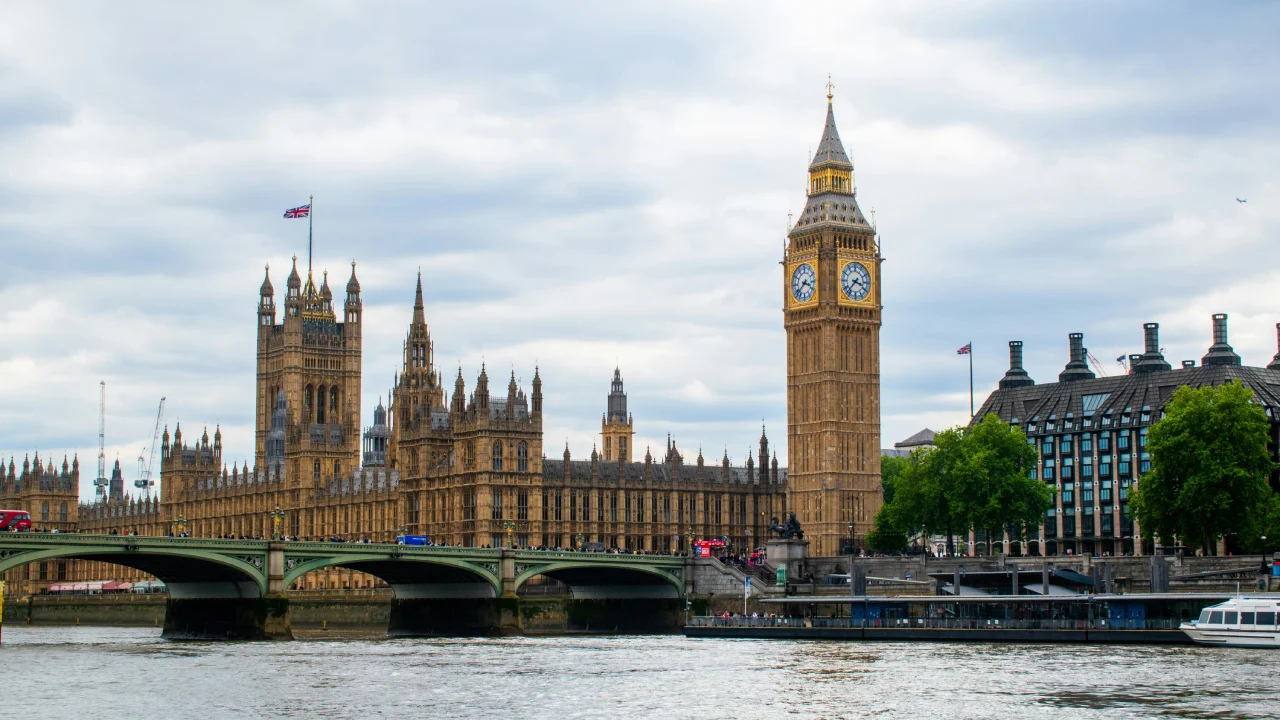
London offers several different experiences within one city. In Westminster, Parliament Square, Westminster Abbey and the Palace of Westminster form a natural sightseeing cluster. Across the river, the South Bank combines cultural venues with riverside walks and views towards the north bank.
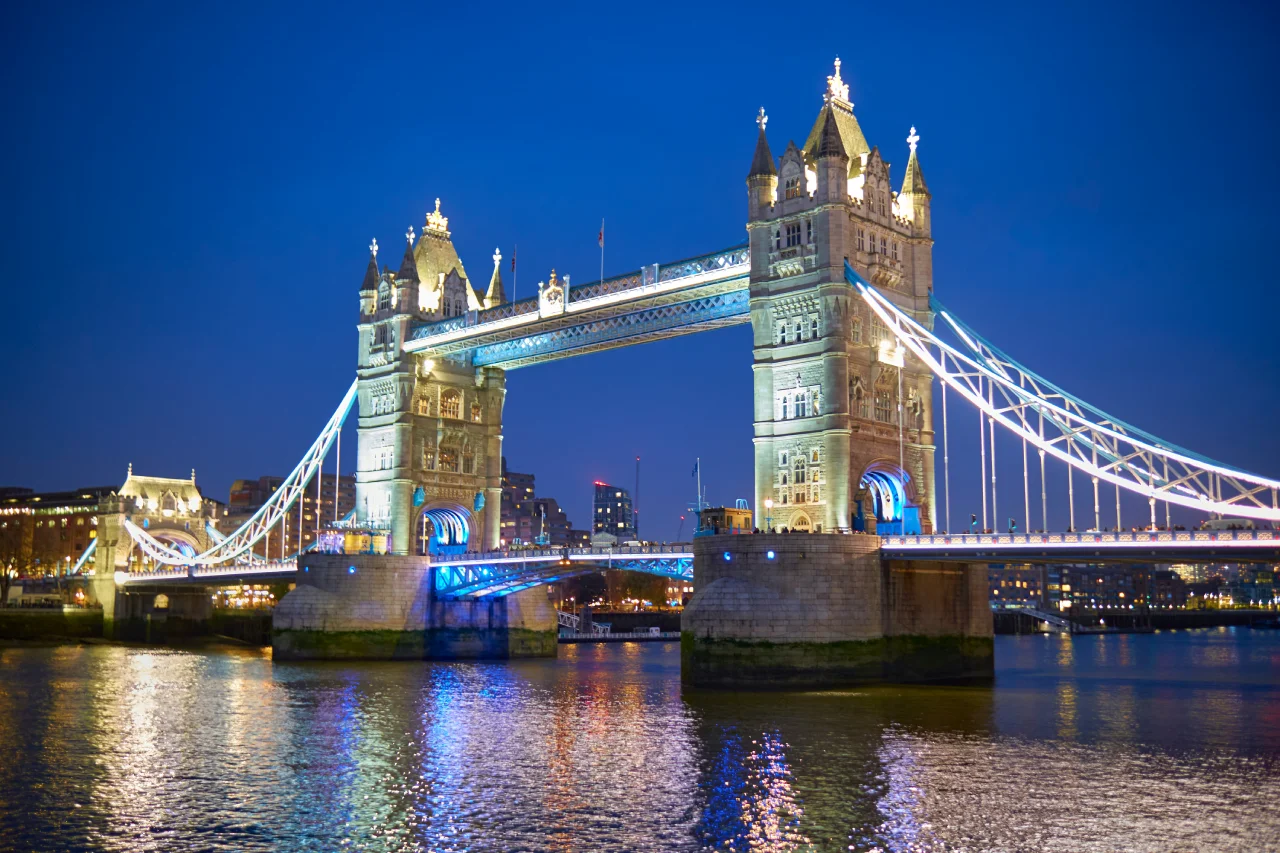
Farther east, explore St Paul’s Cathedral and the streets of the City of London, then continue towards the Tower of London and Tower Bridge. These are distinct landmarks: the Tower of London is a historic fortress, while Tower Bridge is the nearby river crossing with its recognisable towers.
South Kensington is another useful area to explore together. The Victoria and Albert Museum, Natural History Museum and Science Museum are close to one another, offering different approaches to art, design, nature and discovery. Choose according to your interests rather than attempting all three in a day.
Neighbourhood visits add variety between major attractions. Browse Covent Garden, spend time in Soho, or explore Greenwich for a different perspective on the city. Build in time for a park, a café or an unexpected street rather than filling every hour with scheduled visits.
Top Places and Experiences
The Tower of London
The Tower of London combines royal history, defensive architecture and stories of imprisonment. The Crown Jewels are a major highlight, but the wider site also rewards time exploring its buildings, exhibitions and grounds.
Allow several hours rather than treating the Tower as a brief stop. Check the official Tower of London visitor information for admission arrangements, opening times and what is included in your visit.
You can combine the Tower with a walk towards Tower Bridge and the river. If you want to visit the bridge’s interior as well, allow separate time and check its own entry arrangements.
The British Museum
The British Museum’s collections span many periods and parts of the world, with highlights including the Rosetta Stone and the Parthenon sculptures. Its scale makes a selective approach useful: choose a few galleries or themes before arriving.
General admission to the permanent collection is free, while some exhibitions require separate tickets. The official museum website offers advance booking for general admission, providing priority entry during busy periods.
Include time to see the Great Court between galleries, and take breaks rather than attempting to cover the whole museum in one visit.
Westminster Abbey and the Houses of Parliament
Westminster Abbey brings together royal history, architecture and memorials to figures from British public life. It is also a working church, so sightseeing arrangements can change around services and events. Consult the official Abbey website before planning your visit.
Nearby, the Palace of Westminster and Elizabeth Tower are prominent landmarks. Big Ben is the Great Bell inside Elizabeth Tower, rather than the tower itself.
Viewing the buildings from outside and joining an interior tour are different experiences. Check available tours and access requirements through the UK Parliament website. Elizabeth Tower tours involve a substantial stair climb, so review the requirements before booking.
The London Eye and South Bank
The London Eye offers an elevated view across central London, with a standard rotation taking approximately 30 minutes. Weather and visibility affect the experience, so consider whether skyline views are a priority for your visit.
Check the official London Eye website for operating dates, maintenance closures and ticket options. Avoid building an itinerary around assumed year-round availability.
The surrounding South Bank also rewards time on foot. Combine a manageable stretch of the riverside with the Southbank Centre or National Theatre. Walking all the way towards Tower Bridge is a longer outing, so choose your route according to your time and energy.
Buckingham Palace and the Royal Mews
Buckingham Palace is a setting for royal ceremonies and official occasions. Its State Rooms open for a summer visiting season, with other tours sometimes available separately. Check the current programme through the Royal Collection Trust before choosing your travel dates or booking a visit.
The Royal Mews is a separate attraction associated with royal road transport, including ceremonial carriages. Confirm its own opening arrangements and admission requirements rather than assuming it is included with a palace visit.
If watching Changing of the Guard is a priority, check the official schedule close to your visit. Ceremonial arrangements can change, and the event does not necessarily take place every day.
Tate Modern
Tate Modern occupies a former power station beside the Thames. Its modern and contemporary art collections offer a different experience from London’s historic landmarks, while the Turbine Hall gives the building a distinctive sense of scale.
Check the official Tate Modern website for current displays, exhibitions, facilities and visiting information. Choose a few galleries that interest you rather than trying to see everything.
Afterwards, continue along the river or cross the Millennium Bridge towards St Paul’s Cathedral. This makes Tate Modern a useful part of a wider riverside outing.
Getting There and Getting Around
Check the airport code before booking your journey into London. Airports serving the city are spread across a wide area, and the most convenient connection depends on where you are staying.
Heathrow has rail connections via the Piccadilly line, Elizabeth line and Heathrow Express. Compare the station served, any changes required and the complete journey to your accommodation, rather than choosing by train journey time alone. See Heathrow’s official rail information for the available options.
Gatwick has connections including Southern, Thameslink and Gatwick Express services. The most suitable service depends on your destination in London. Check Gatwick’s official train information when planning your arrival.
Within London, combine walking with the Tube, buses and other rail services. Buses can be useful for shorter journeys and offer views along the way; rail services are often more practical for longer distances.
Contactless payment or an Oyster card can be convenient for eligible pay-as-you-go journeys. Check accepted payment methods, airport coverage and any overseas bank charges before choosing. Use the same card or the same device throughout a journey: a physical bank card and its version on a phone should not be used interchangeably for touching in and out.
Touch in and out for Tube and rail journeys where required. On London buses and trams, touch in only. Consult Transport for London’s journey and payment guidance for your route, including engineering works and accessibility needs.
Where to Stay
Covent Garden and Soho
These West End areas suit travellers who want theatres, restaurants and evening activities close to their accommodation. Covent Garden offers shopping, street performances and a central base for exploring, while Soho has a strong dining and nightlife scene.
Busy streets can remain lively late into the evening. Check recent accommodation reviews for noise and compare the hotel’s exact location if quiet nights are important to you.
Being central does not place every London attraction within a short walk. Check connections to the sights you plan to visit most.
Westminster and Whitehall
This area is convenient for Westminster Abbey, Parliament Square and walks towards St James’s Park. It can suit visitors who prioritise London’s historic and ceremonial landmarks.
Consider your evening plans as well as daytime sightseeing. Check nearby restaurants, the walk to the nearest station and connections to other areas you intend to explore.
A hotel’s position within the neighbourhood can make a noticeable difference, so compare the actual address rather than relying only on the area name.
South Bank and Southwark
These riverside areas offer access to cultural venues, walking routes and stations such as Waterloo and London Bridge. They can work well for visitors planning time around the Thames and its attractions.
The area covers a substantial stretch of London, so compare exact locations carefully. Accommodation near Waterloo and accommodation near London Bridge provide different starting points for each day.
Check the nearest useful station, the walking route to your accommodation and recent reviews for noise, especially around busy roads and railway lines.
Practical Tips for Your Visit
- Group nearby sights together. London’s distances can make an itinerary tiring if it repeatedly crosses the city.
- Check booking arrangements. Attractions and museums can have different reservation requirements. Use official websites to confirm the correct admission option.
- Separate outdoor sightseeing from interior visits. Seeing a landmark from the street may fit easily into a walk; visiting inside usually needs more time and planning.
- Keep payment methods consistent. Use the same card or device throughout eligible transport journeys and follow the instructions at card readers.
- Check routes before travelling. Engineering works and service changes can affect journeys, particularly at weekends.
- Plan for access and weather. Check step-free routes when needed, wear comfortable shoes and carry a waterproof layer for outdoor sightseeing.