
New York City is as much about the streets between its landmarks as the landmarks themselves. A morning in a museum can lead to a walk through Central Park, an afternoon beside the East River or an evening at a Broadway theatre. Skyscrapers provide the backdrop, but neighbourhood shops, restaurants, parks and public spaces give each part of the city its character.
The city comprises five boroughs: Manhattan, Brooklyn, Queens, the Bronx and Staten Island. Each offers reasons to explore, and a first visit does not need to cover them all. Choose a few priorities, group nearby places together and leave room for the journeys and discoveries between them.
Walking works well within neighbourhoods and between some adjacent districts. For longer distances, combine the subway with buses, ferries or other transport according to your route. Allow time for station entrances, transfers and the walk from your final stop to the destination.
What Makes New York City Worth Visiting?
New York offers several ways to experience the city within a single trip. Midtown Manhattan brings together the Empire State Building, Rockefeller Center, Times Square, Broadway theatres and the Museum of Modern Art. These attractions make it a useful starting point, but they can also fill several days if you plan to visit interiors rather than simply walk past.
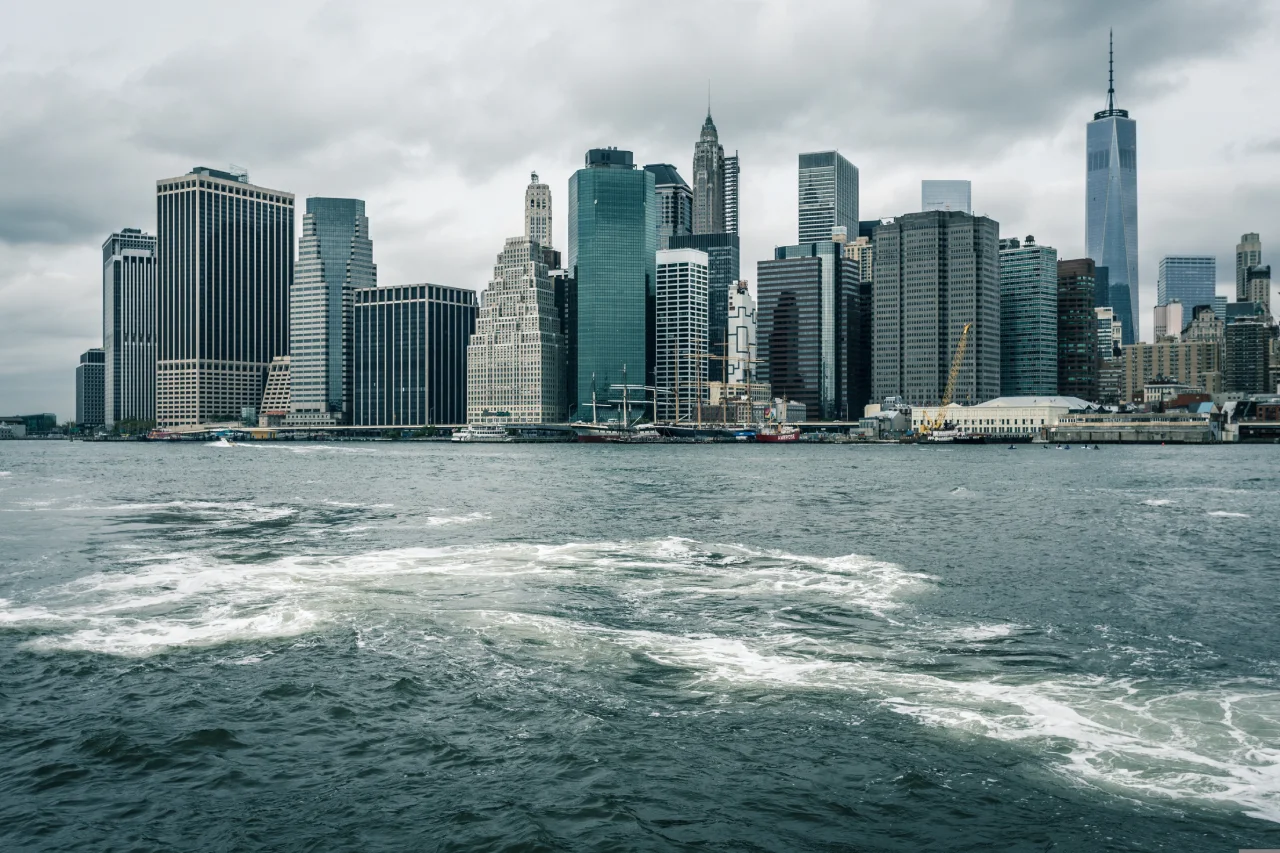
Lower Manhattan offers a different combination of history, architecture and waterfront spaces. The Financial District, the 9/11 Memorial & Museum and The Battery can be explored in connected outings. Ferries to the Statue of Liberty and Ellis Island depart from this part of Manhattan, making advance planning useful when combining an island visit with other sights.
Central Park separates the Upper West Side and Upper East Side, with the American Museum of Natural History on the west and the Metropolitan Museum of Art on the east. A museum visit followed by a manageable section of the park can create a more balanced day than trying to cross the entire area between several major attractions.
Brooklyn adds its own museums, performance venues and neighbourhood experiences. DUMBO and Brooklyn Heights offer waterfront walks and views towards Manhattan. The Brooklyn Museum, on Eastern Parkway, and the Brooklyn Academy of Music are separate destinations that need their own travel planning.
Accommodation in one district will not place every attraction within walking distance. Choose a base with useful transport connections, then organise each day around one or two areas rather than repeatedly crossing the city.
Top Places and Experiences
Statue of Liberty and Ellis Island
The Statue of Liberty and Ellis Island combine a harbour journey with visits focused on symbolism, migration and American history. Ferries depart from The Battery in Manhattan and Liberty State Park in New Jersey.
Statue City Cruises is the only National Park Service-authorised ferry operator permitted to bring visitors to the islands. Use the booking links provided through the official National Park Service website rather than assuming a sightseeing cruise includes an island landing.
General admission provides access to the islands and their museums, while pedestal and crown visits have separate reservation requirements and limited availability. Check exactly what your ticket includes before booking, particularly if entering the statue is a priority.
Allow a substantial part of the day for security screening, ferry boarding and exploring. A reservation time does not mean you will immediately arrive at the statue or enter every part of the monument. Confirm the departure location, permitted belongings and return arrangements before travelling to the ferry terminal.
Empire State Building and Top of the Rock
The Empire State Building and Top of the Rock offer different ways to appreciate Manhattan’s scale. Both are in Midtown, but the view from each depends on its position, the observation areas included and the weather.
The Empire State Building’s open-air observatory on the 86th floor provides views in all directions. Its enclosed 102nd-floor observatory is a different experience and is not included with every ticket. Check the options through the official Empire State Building website.
Top of the Rock, at Rockefeller Center, provides views towards the Empire State Building and, in the other direction, Central Park. Consult the official Top of the Rock website for admission options and visitor requirements.
Book a timed visit if a particular part of the day matters to you. Daylight, sunset and evening visits create different experiences, but none guarantees clear visibility. Review entry procedures and weather policies rather than assuming advance booking removes all waiting.
The Metropolitan Museum of Art and MoMA
The Metropolitan Museum of Art and the Museum of Modern Art offer contrasting experiences. The Met Fifth Avenue covers art and objects from many regions and historical periods, while MoMA focuses on modern and contemporary art across several media.
At the Met, choose a few collections or themes before arriving. Its scale rewards a selective approach, especially if you plan to combine the museum with Central Park. Confirm admission arrangements, exhibitions and any gallery changes through the official Met website.
MoMA is in Midtown and can fit into a day exploring the surrounding district. Its collection includes painting, sculpture, photography, design and moving-image works. Specific artworks may not always be on display, so check the official MoMA visitor information if you are travelling to see a particular work or exhibition.
Both museums require appropriate admission arrangements, with different conditions and eligibility policies. Check these before visiting, and avoid scheduling two large museums back to back unless you know that pace suits you.
Central Park and the Upper West Side
Central Park covers 843 acres in Manhattan, with lawns, woodland, water features and an extensive network of paths. General access to the park is free, while individual attractions, activities and facilities can have separate arrangements.
Choose a route that fits your time and interests. Bethesda Terrace, the surrounding lake area and selected paths can form a rewarding outing without attempting the whole park. The Conservatory Garden and the park’s northern areas offer different experiences but require additional walking or transport planning.
Use the Central Park Conservancy’s visitor information to explore routes, facilities and current updates. Check the location of your intended entrance rather than treating the park as a single arrival point.
On the Upper West Side, the American Museum of Natural History provides another substantial visit. Its exhibitions and ticket options require separate planning through the official museum website. Combining it with part of the park can work well if you leave enough time for both.
Brooklyn Bridge and DUMBO
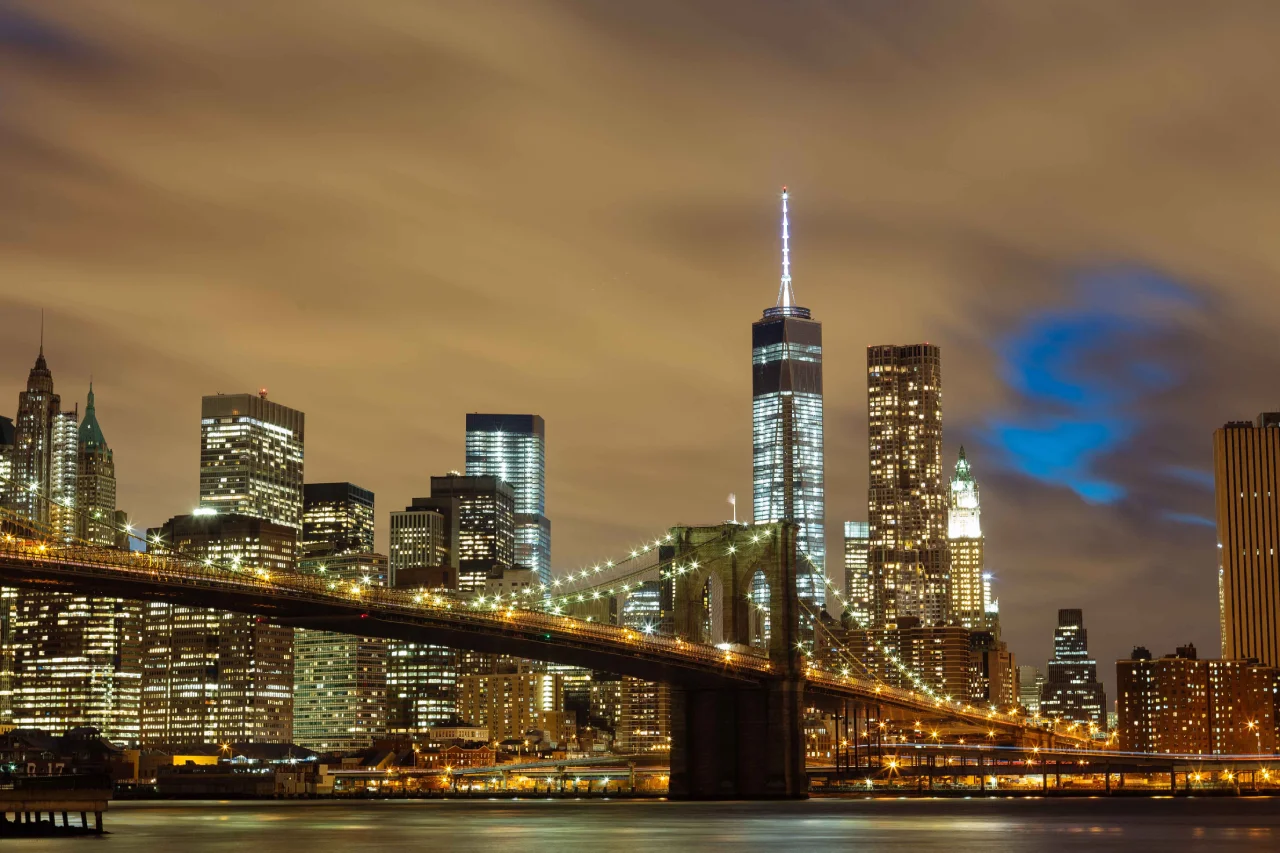
The Brooklyn Bridge connects Manhattan and Brooklyn across the East River. Its elevated pedestrian walkway provides views of the bridge structure, surrounding waterfront and parts of the skyline.
Allow time for the approach, the crossing and photograph stops. The full outing can take considerably longer than the crossing alone, depending on where you start and what you explore afterwards. Stay aware of other pedestrians and keep the walkway clear.
On the Brooklyn side, DUMBO and nearby Brooklyn Bridge Park offer further waterfront views, restaurants and places to pause. From parts of the park, you can see the Brooklyn Bridge against Lower Manhattan; other well-known DUMBO viewpoints feature the Manhattan Bridge instead.
Continue towards Brooklyn Heights if you want a longer neighbourhood walk. Consult Brooklyn Bridge Park’s official website for park access, facilities and current updates.
The Brooklyn Museum is not in DUMBO or beside the bridge. It is located at 200 Eastern Parkway and should be planned as a separate journey. If you want to include it, check the official Brooklyn Museum website for current admission and exhibition information.
The 9/11 Memorial & Museum
The 9/11 Memorial & Museum in Lower Manhattan commemorates those killed in the attacks of September 11, 2001, and the World Trade Center bombing of February 26, 1993.
The outdoor Memorial includes two reflecting pools within the footprints of the Twin Towers, with the victims’ names inscribed around them. It is free and open to the public during visiting hours. Normal individual visits do not use the same ticketing arrangements as the Museum.
The Museum is a separate, ticketed visit beneath the plaza. Its displays include historical objects, photographs, recordings and personal accounts. The material can be emotionally demanding, so consider how it fits your group and allow time afterwards rather than immediately scheduling another activity.
Use the official Memorial & Museum website to confirm Museum tickets, visiting hours and any special access arrangements. Ceremonies or other events may affect access, so check updates close to your visit.
Getting There and Getting Around
New York City is served by three major airports: John F. Kennedy International Airport (JFK) and LaGuardia Airport (LGA) in Queens, and Newark Liberty International Airport (EWR) in New Jersey. Check the airport code and terminal before choosing your transfer.
At JFK, AirTrain connects airport terminals with onward rail services at Jamaica and Howard Beach. Jamaica provides connections with the subway and Long Island Rail Road, while Howard Beach connects with the subway. Compare the complete route to your accommodation, including transfers and luggage handling.
At Newark, AirTrain connects with rail services at the airport station, including NJ Transit journeys towards New York Penn Station. Distinguish New York Penn Station from Newark Penn Station when planning your route.
LaGuardia has bus connections to subway and rail services, alongside taxis and other road transport. It does not have a direct subway station inside the airport.
The Port Authority’s official airport websites provide ground transport information for all three airports. Check current arrangements before travelling, as construction, engineering work and service changes can affect connections.
Within the city, the MTA operates the subway and local buses. The subway network runs around the clock, but individual routes, stopping patterns and station access can change overnight or during planned works. Use the official MTA website or app to check your specific journey.
Subway services are identified by letters and numbers. A shared colour does not mean every train makes the same stops: check the route, direction and whether a service is local or express. In Manhattan, “Uptown” generally indicates north and “Downtown” south, while signs may also identify the borough or terminal destination.
For payment, OMNY allows eligible journeys using a contactless bank card, compatible digital wallet or OMNY card. Use the same card or device consistently when relying on fare-capping or transfer benefits; a physical card and its digital-wallet version are not interchangeable payment identities.
MetroCard sales and refills ended after December 31, 2025. Acceptance has continued during the transition, with the final acceptance date subject to MTA announcements. For a new visit, plan around OMNY and consult the official MTA MetroCard information if you have an existing card.
NYC Ferry provides a separate option for selected waterfront journeys. Check its routes, departures and payment arrangements through the official NYC Ferry website; do not assume subway payment or passes cover it.
Walking is useful within neighbourhoods and between some adjoining areas. Taxis and ride-hailing services can help with luggage or inconvenient connections, but road traffic can affect journey times. Check step-free station access when needed, as lifts are not available at every entrance or station.
Where to Stay
Midtown Manhattan
Midtown can suit first-time visitors who want Broadway theatres, major observation decks and a wide choice of subway connections nearby. Its central position makes it practical for many itineraries, although it does not put every major sight within a short walk.
The experience varies between blocks. Staying beside Times Square is different from choosing a quieter street farther east or west. Compare recent reviews for noise and check the actual walk to the station entrance you will use.
Consider evening plans as well as daytime attractions. A convenient return from a show or dinner can matter as much as proximity to the first stop of the morning.
Lower Manhattan
The Financial District and areas around The Battery can be useful for the Statue of Liberty ferry, the 9/11 Memorial & Museum and walks towards the Brooklyn Bridge. They suit visitors who plan to spend time exploring the southern end of Manhattan.
Connections to Midtown and the Upper West and Upper East Sides depend on the nearby subway lines. Check your route to the museums and other places you expect to visit regularly.
Evening activity varies by street and proximity to restaurants or waterfront destinations. Choose according to the exact address rather than assuming all of Lower Manhattan becomes quiet after business hours.
Brooklyn Heights, DUMBO and Williamsburg
These Brooklyn neighbourhoods offer different experiences and should not be treated as a single accommodation area.
Brooklyn Heights can suit visitors interested in residential streets and access to the promenade and nearby waterfront. DUMBO places you close to Brooklyn Bridge Park and well-known bridge views, although busy visitor areas can remain active during the day.
Williamsburg offers its own restaurants, shops and evening activity, with different transport connections to Manhattan. Its convenient routes will depend on where you stay and which subway line is nearby.
Compare the complete journey to your planned destinations. Staying in Brooklyn does not automatically mean every Manhattan journey is long, nor does it place you close to every Brooklyn attraction.
Long Island City, Queens
Long Island City can be a useful alternative for visitors who want access to Midtown while staying outside Manhattan. Some locations have short subway connections across the East River, but convenience depends on the exact station and service.
Compare accommodation options rather than assuming the area is always more affordable. Check the walk from your hotel to the relevant station, nearby dining choices and late-evening service.
The neighbourhood also has waterfront spaces and skyline views, so it can offer more than a place to sleep. Choose a location that suits both your sightseeing routes and the kind of area you want around your accommodation.
Practical Tips for Your Visit
- Use OMNY consistently. Choose one compatible card, device or OMNY card for eligible journeys and check the current payment guidance before travelling.
- Check route changes before setting out. Weekend and overnight works can alter stops, directions and connections.
- Read the train signs carefully. Confirm the letter or number, direction and stopping pattern rather than boarding solely by line colour.
- Book priority attractions ahead. Check admission requirements for island ferries, observation decks, museums and performances through official channels.
- Distinguish outdoor spaces from ticketed interiors. A landmark may be visible during a walk, while entering its museum, observatory or restricted areas needs separate planning.
- Wear comfortable shoes and allow for stairs. Even a subway-based itinerary involves walking through stations and between entrances and destinations.
- Check accessibility for the complete route. An accessible station elsewhere on the line does not mean your intended entrance or interchange is step-free.
- Plan for tipping where appropriate. Check whether gratuity or a service charge is already included, and keep a suitable payment option available rather than assuming cash is always necessary.
- Allow time between bookings. Station navigation, security checks, ferry boarding and crowded streets can make tightly scheduled visits difficult.
- Keep belongings secure in busy places. Follow staff instructions, remain aware of your surroundings and use designated entrances and transport pickup points.