
Paris brings together major art collections, historic neighbourhoods and everyday pleasures: a bakery stop, a market visit or an unhurried walk beside the Seine. France’s capital rewards travellers who leave room between its famous landmarks to explore the streets around them.
For a first visit, combine a few priority attractions with time in different neighbourhoods. Walking works well within individual areas, while the Métro helps connect sights spread across the city. You do not need to see everything to enjoy a rewarding stay.
What Makes Paris Worth Visiting?
Much of Paris’s appeal comes from the contrast between its monuments and its smaller-scale street life. Around the Louvre and the Seine, grand buildings and broad perspectives dominate. In the Marais, narrow streets lead to courtyards, galleries and food shops. The Latin Quarter offers bookshops and historic streets, while Montmartre brings hills, stairways and views over the rooftops.
Its museums offer equally varied experiences. The Louvre suits visitors interested in collections spanning many periods and civilisations. The Musée d’Orsay focuses on a later chapter of art history, including Impressionist and Post-Impressionist works. Choosing according to your interests is more satisfying than treating every major museum as a compulsory stop.
Paris can also be a base for excursions such as Versailles. However, a day trip takes time away from the city itself, so decide whether it fits your priorities before adding it to a short stay.
Top Places and Experiences
The Louvre
The Louvre’s collections range from ancient artefacts to European paintings and sculpture. Its scale makes a selective approach useful: choose a few galleries or themes instead of attempting to cover the entire museum.
Book a time slot through the official Louvre website, which recommends reservations, including for visitors eligible for free admission. Check opening days and gallery closures before planning your visit, and leave time afterwards for the nearby Tuileries Garden or a riverside walk.
The Eiffel Tower
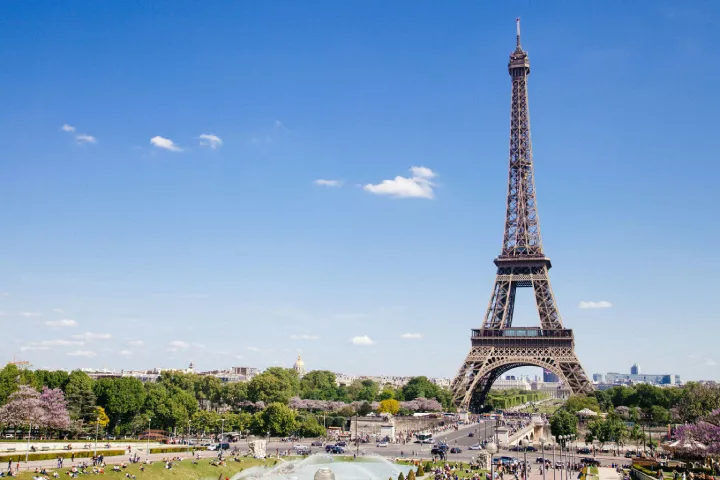
The Eiffel Tower offers views from its second floor and summit, with access depending on the ticket selected. Visitors can climb the stairs to the second floor; reaching the summit involves a lift from there.
Compare the available options through the official ticket office. Advance booking gives you a better chance of finding your preferred time, but security checks and some waiting may still be necessary. If you prefer to enjoy the tower from ground level, explore viewpoints around the Champ de Mars and Trocadéro.
Notre-Dame and the Île de la Cité
Notre-Dame Cathedral reopened in December 2024 following restoration after the 2019 fire. Entry to the cathedral is free. A reservation is recommended but is not mandatory; consult the official cathedral reservation page when planning your visit.
The towers are a separate visit with their own ticketing arrangements through the official towers website. Nearby Sainte-Chapelle and the Conciergerie offer further reasons to explore the Île de la Cité, though each needs its own planning and admission checks.
Montmartre and Sacré-Cœur
Montmartre’s sloping streets, stairways and small squares offer a different experience from central Paris’s broad avenues. Sacré-Cœur stands at the top of the hill, with views across the city from the surrounding area.
Allow time to wander beyond the busiest streets around Place du Tertre. The terrain can be demanding, so consider your route carefully if stairs or steep climbs are difficult. A relaxed neighbourhood visit is often more enjoyable than adding Montmartre as a hurried stop between museums.
Musée d’Orsay
Set inside a former railway station, the Musée d’Orsay is particularly appealing to visitors interested in Impressionist and Post-Impressionist art. The building itself is part of the experience, with its spacious central hall and distinctive clocks.
Choose a few artists or collections to focus on, and check the museum’s official website for current visiting information. Afterwards, continue along the Left Bank rather than immediately travelling to another distant attraction.
Seine River Walks
Walking beside the Seine helps connect many of Paris’s best-known sights. Build a route around a manageable section, such as the Louvre and Île de la Cité, rather than assuming every riverside landmark is close together.
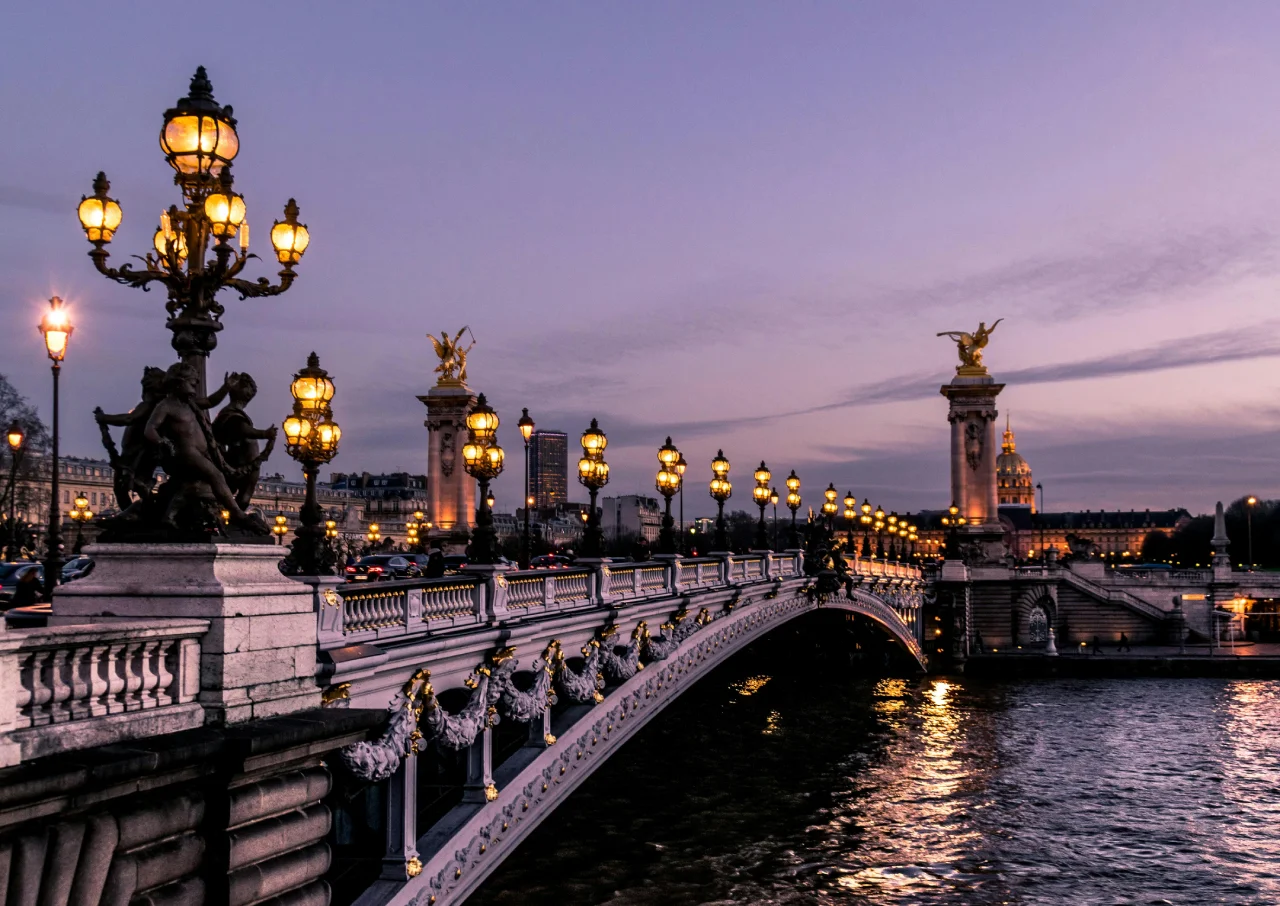
Bridges such as Pont Neuf and Pont Alexandre III provide different views of the river and surrounding architecture. Access to lower riverside paths can change with conditions, so use street-level alternatives when necessary.
Getting There and Getting Around
Paris’s main airports are Charles de Gaulle (CDG) and Orly (ORY). The RER B connects Charles de Gaulle with central Paris, while Métro line 14 serves Orly. The most convenient route depends on your accommodation and any changes required along the way.
Check Île-de-France Mobilités’ airport transport information before travelling. Airport journeys can require specific tickets, and engineering works may affect your route.
Within Paris, combine walking with the Métro. Regional RER trains are useful for some cross-city journeys and destinations outside the centre. Buses offer another option, particularly when their routes reduce walking or station changes.
Choose tickets or passes according to your actual journeys rather than assuming a visitor pass will always offer the best value. Use the official transport website or app to check routes, ticket coverage and accessibility.
Where to Stay
Le Marais
The Marais, covering parts of the 3rd and 4th arrondissements, suits travellers interested in historic streets, galleries, shopping and dining. Its location makes it convenient for exploring several central areas on foot.
The atmosphere varies by street. Check recent accommodation reviews for noise, room size and lift access, especially when considering a room in an older building.
The Latin Quarter and Saint-Germain-des-Prés
These neighbouring Left Bank areas offer access to bookshops, cafés, historic streets and the Luxembourg Gardens. They may appeal to visitors who want to combine sightseeing with slower walks and café stops.
Compare individual hotel locations rather than choosing by neighbourhood name alone. Proximity to a useful Métro station can matter more than being close to a famous café or square.
Montmartre
Montmartre suits travellers drawn to hillside streets and a neighbourhood-focused stay. It can be an appealing base if you enjoy spending evenings near your accommodation rather than returning to the central museum areas.
Check the walking route from the nearest station before booking. Hills, stairs and the exact location of your accommodation can make a noticeable difference to daily travel.
Practical Tips for Your Visit
- Group nearby sights together. Plan around neighbourhoods to reduce unnecessary journeys across the city.
- Check museum opening days. Weekly closures and temporary gallery changes can affect an otherwise convenient itinerary.
- Use official booking websites. Confirm the attraction, ticket type and admission conditions before paying.
- Validate your transport ticket or pass. Follow the instructions for your card, phone or ticket, and keep it available throughout the journey.
- Plan for walking and stairs. Comfortable shoes help, but travellers with mobility needs should also check station access and attraction facilities.
- Leave space in your schedule. A market visit, a garden break or an unexpected street can be as memorable as a major landmark.